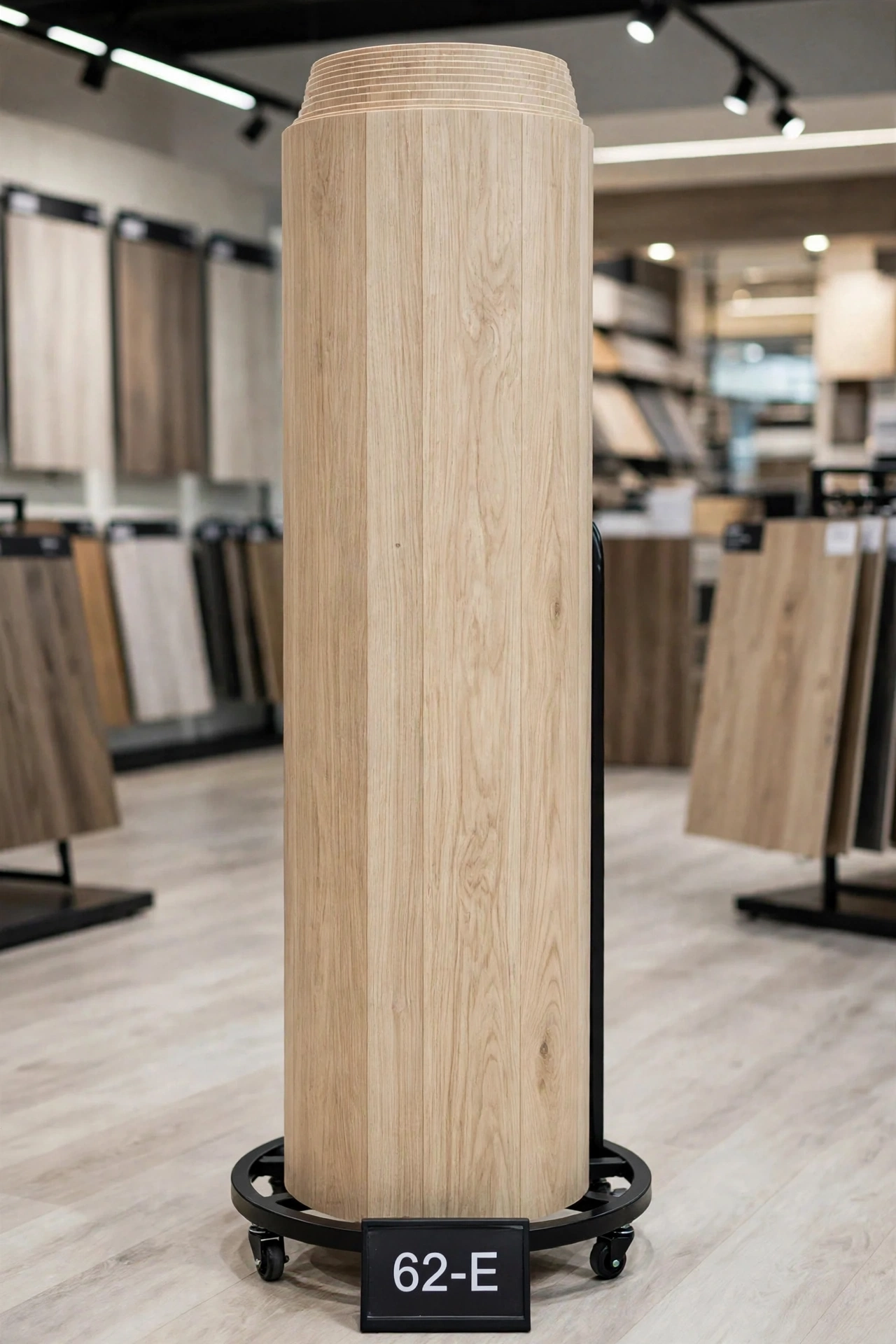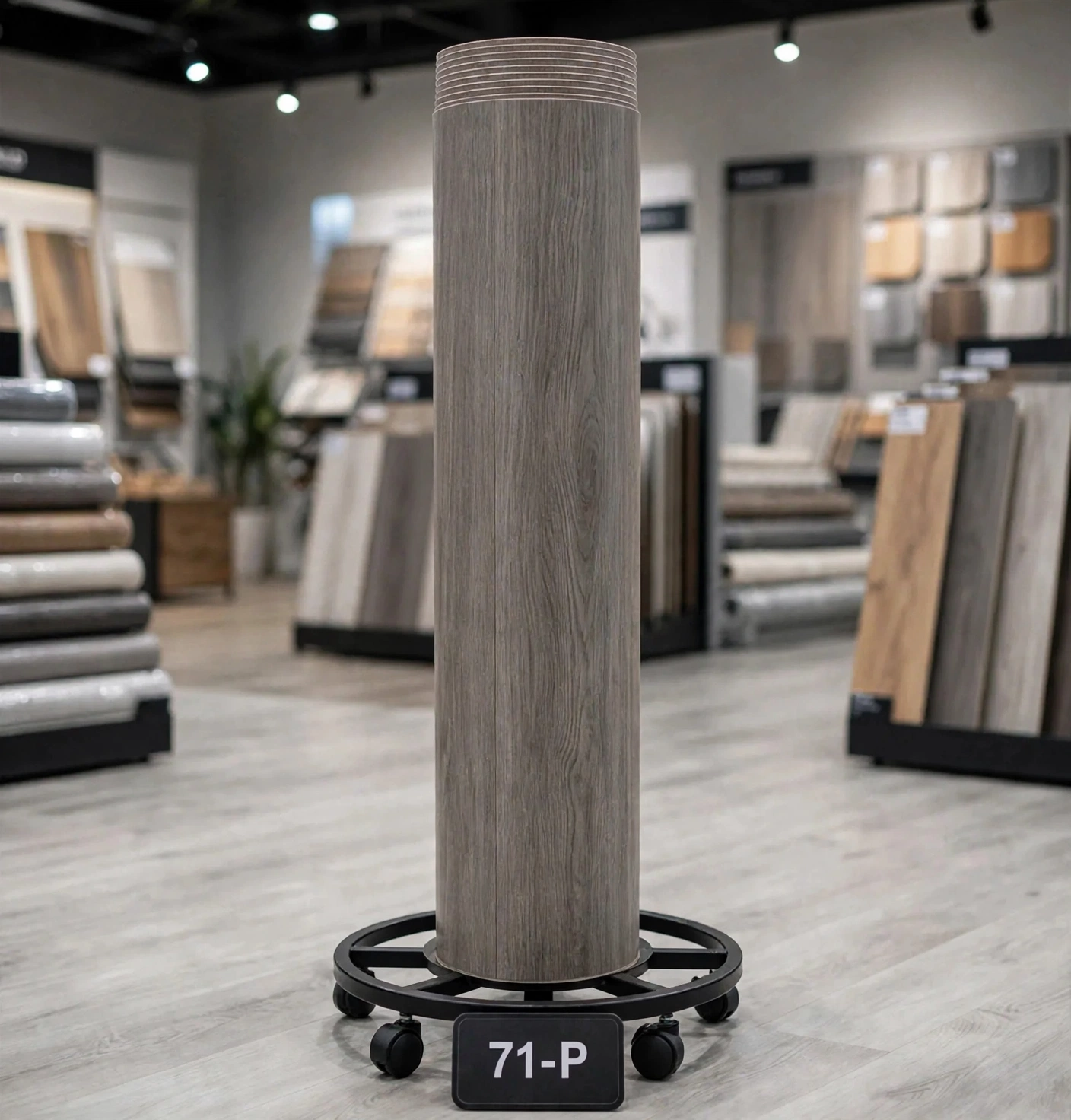
At a glance
- Dimensions
- 2 mm × 200 yd
- Material
- Polyester
Product overview
Maimun Braided Polyester Rope is a practical, durable cordage option for marine users, fishermen, boat owners, contractors, farms, outdoor operations and general commercial use. Its braided construction gives the rope a neat round profile, good handling and flexibility, while polyester fibre is valued for its resistance to sunlight, moisture and abrasion compared with many basic utility fibres.
Standard options from 2 mm to 10 mm are supplied in 200-yard rolls. Polyester generally retains strength well when wet, has relatively low stretch and normally sinks in water. These properties make it useful for many outdoor and marine applications, but the correct diameter and construction must always be selected according to the load and safety requirements.
Where it is used
- Light tying, lacing, product bundling, craft work and lightweight net repair.
- Fishing-net lacing, repair and general fishing operations.
- Boat utility lines, fender lines and equipment organisation when the rope is suitable for the load.
- Tarpaulin, tent, awning and shade-net tying.
- Farm, garden, workshop and warehouse utility tasks.
- Bundling, general lashing and non-critical equipment securing.
- Outdoor and camping utility applications.
- Decorative, craft and display work for smaller diameters.
- Anchor- or mooring-rode components only after the correct diameter, rating, chain, fittings and shock-load requirements have been assessed.
Key benefits
- Durable polyester fibre: Performs well in outdoor and marine environments when correctly used and maintained.
- Good UV and weather resistance: Polyester is generally more resistant to sunlight and weathering than many basic natural-fibre ropes.
- Low water absorption: Helps the rope retain predictable handling characteristics in wet conditions.
- Retains strength when wet: Suitable for many marine and fishing-related utility tasks.
- Relatively low stretch: Useful where a firmer, more controlled line is preferred; shock loads must still be managed correctly.
- Braided construction: Gives a smooth, flexible profile that is comfortable to handle and convenient for tying and lashing.
- Clear roll options: 100-yard and 200-yard lengths allow customers to choose a practical quantity for the job.
- Marine and general-purpose versatility: Useful across fishing, boating, netting, shade, tarpaulin, farm and outdoor applications, subject to load requirements.
Application & maintenance
- 01Do not use for lifting or suspending people or loads without certified load ratings and approval for that exact purpose.
- 02Do not use for climbing, rescue, fall arrest or life-support applications.
- 03Do not use for towing unless the rope is specifically rated, correctly sized and suitable for the towing arrangement.
- 04Do not rely on diameter alone to determine strength or safe working load.
- 05Do not use rope that is cut, glazed, heavily abraded, chemically damaged, stiff, melted or otherwise deteriorated.
- 06Define the task: Decide whether the rope is for tying, lashing, net work, boat utility, anchoring, mooring or another application.
- 07Identify the maximum expected load: Include shock loads, movement, wind, waves, current and handling forces—not only static weight.
- 08Choose material and stretch characteristics: Polyester is relatively low-stretch; some applications may require the greater elasticity of nylon or the floating behaviour of polypropylene.
- 09Select diameter using verified ratings: Use the manufacturer’s safe working load and breaking strength for the exact rope construction. Do not estimate from diameter alone.
- 10Check compatibility: Match knots, splices, thimbles, shackles, pulleys, cleats and winches to the rope diameter and construction.
- 11Allow sufficient length: Include knots, splices, working ends, depth, scope and any required reserve.
- 12Inspect before every critical use: Replace rope showing major abrasion, cuts, glazing, chemical attack, heat damage or severe stiffness.
- 13Rinse dirt, salt and sand from the rope with clean fresh water.
- 14Allow the rope to dry thoroughly in a ventilated place before long-term storage.
- 15Avoid prolonged contact with sharp edges, hot surfaces, open flame and unknown chemicals.
- 16Use suitable chafe protection where the rope runs over edges or through fairleads.
- 17Coil neatly without severe kinks and store away from unnecessary heat and direct sunlight.
- 18Inspect the full rope length, including knots, eye splices and connection points.
- 19Retire damaged rope from critical service; do not simply hide a damaged section inside a knot.
Questions we get asked
What material is the rope made from?
It is made from polyester fibre with a braided construction.
How many metres are in a roll?
A 100-yard roll is approximately 91.4 metres, while a 200-yard roll is approximately 182.9 metres.
Does polyester rope float?
Polyester rope normally sinks. If a floating rope is required, ask about a suitable polypropylene option.
Is polyester rope waterproof?
Polyester absorbs relatively little water and retains strength well when wet, but it should still be rinsed, dried and inspected after use.
Is polyester rope stretchy?
Polyester has relatively low stretch compared with nylon. This provides good dimensional stability, but shock-loading applications may require a different material or a specially designed system.
Can I use it as anchor rope?
It may be suitable as part of an anchor rode if the exact rope diameter, construction and load rating are appropriate. The full system—including chain, shackles, thimbles and scope—must be correctly selected.
Can I use it for mooring?
Only after confirming the exact safe working load, stretch requirement, chafe protection, fittings and vessel conditions. Permanent or commercial moorings require professional design.
How should I cut the rope?
Use an appropriate rope-cutting tool and secure or heat-seal the end only in a controlled manner suitable for synthetic rope. Heated ends can cause burns, so trained handling and protective equipment are required.
How should I store it?
Clean and dry the rope, coil it neatly and store it away from sharp edges, chemicals, heat and unnecessary sunlight.
Braided Polyester Rope 2 mm — 200 yd — questions we are asked
- How much is Braided Polyester Rope 2 mm — 200 yd in Kenya?
- Braided Polyester Rope 2 mm — 200 yd is KSh 3,000 per roll from Afeef Maimun. The price is published rather than quoted on request, and eTIMS invoices are issued on every order.
- What size is Braided Polyester Rope 2 mm — 200 yd?
- 2 mm × 200 yd. Sold per roll.
- Is Braided Polyester Rope 2 mm — 200 yd in stock in Nairobi and Mombasa?
- In Stock — Darosa Plaza, Karen Road, Nairobi and opposite Ratna Square, Nyali, Mombasa. Same-day dispatch within Nairobi, next-day countrywide.